
18 Jun 2026
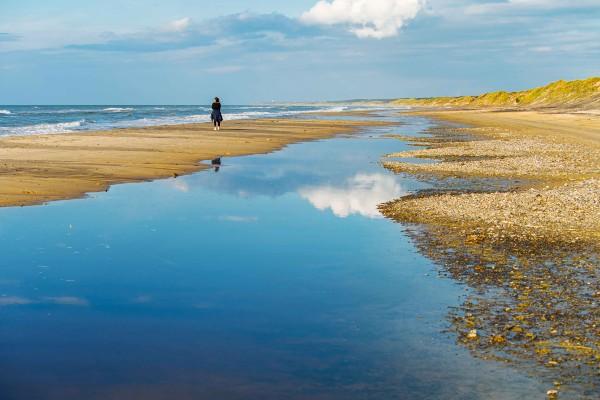

On the 19th of July an estimated one billion plastic nurdles (around 25 tonnes) entered the River Tyne and the North Sea causing an ecological travesty which will be with us for years, decades, forever. This type of ecological damage is generational and the only good thing I can see to come out of this disaster along the North East of England’s coast is that more people get angry…and organised.
Let’s start with the question “what is a nurdle?” It’s a tiny bead of plastic which is used as the foundation material in most everyday plastic products. They are made of fossil fuels and other harmful chemicals and these toxic loads are in constant transport across our oceans and seas.
They are small white pellets of nastiness which also act as toxic sponges gathering up other pollutants when they are out in the wild and unfortunately to marine birds they also look like fish eggs. This is why there was the devastating sight this week of seagull, baby gulls and swans eating them. They’ll likely starve before the toxic poisoning gets them as they’ll feel full…of plastic.
Local spills like the Tyne are not isolated incidents. Data from Fidra’s Great Nurdle Hunt estimates that a staggering 445,970 tonnes of nurdles are strewn into the global environment every single year.
To put that into perspective, the devastating spill currently blanketing our local beaches makes up just 0.005% of the nurdles lost globally every year. 445,970 tonnes is the equivalent of dumping 44 Eiffel Towers worth of pure plastic poison into our ecosystems annually. There are already trillions of them out there.
What has this got to do with a blog from 2macs?
Firstly, everyone who knows me well knows that I campaign regularly to protect marine environments and get incensed (full crying and raging!) at the wanton destruction of habitats through dredging and mining. I don’t eat fish or take any fish supplements because of the unfettered practice of bottom trawling which rips through the seabed destroying vital habitats which will never recover. Trawling also kills indiscriminately. It’s heartbreaking and one recent report states that in UK waters the “bycatch” per year is:
• Over 10,000 seabirds
• Over 1,000 cetaceans, including harbour porpoises, common dolphins, and humpback and minke whales
• Around 500 seals
• Over 120 tonnes of protected sharks, skates and rays
• Over 1,000 endangered Atlantic salmon
So, when the Tyne nurdle story broke (and there was a delay in the disaster being communicated – this blog will not go into that) of course we had to help. Picking up nurdles can be soul-destroying as they keep coming, but it’s strangely addictive and the community spirit among volunteers has been amazing.
There is a second reason that makes this a pertinent blog for 2macs and that is because we work in the safety field. True safety training isn’t just about preventing trips and falls, it is about preventing the systemic negligence that causes 445,970 tonnes of poison to leak into our world every year.
Safety is supposed to be the first pillar of 'Health, Safety, and Environment' (HSE) for organisations. But does the environment ever get the priority it truly deserves? Is environmental safety a serious, heartfelt commitment for businesses, or is it just a legal compliance box to tick while waiting for governmental controls to force our hands? Well, I think we all know those controls aren't coming anytime soon.
With marine habitats and sea life it’s got a double whammy – you don’t see it. Out of sight out of mind. The seas and oceans make up 71% of the earth’s surface and they are in distress – deep distress that may soon be irreversible.
But we have a chance. As businesses, leaders, and humans, we have a chance to change, and we have to take it. It’s not out of sight anymore. It's right here on our shores.
Audrey Macnaughton is a leadership trainer and coach, you can get in touch with her via audrey@2macs.com
Our team is made up of facilitators, coaches, experienced actors, script writers as well as specialists in HR, employment law, safety and strategy.
Meet The Team